Healthy
501 systems running as they should — we keep checking.
For US solar installers
Sol AI watches every solar system you've ever installed — every supported brand, on one screen — and flags the ones that are quietly broken while the free apps still say everything's fine. Every fault it finds is a service call you make, and bill, at your own rates.
Say 1 in 100 systems need a visit each month, at $1,000 a job: if you've installed 1,000 systems, that's about $10,000 a month of repair work.
Live in production since February 2026 · Built inside a working solar EPC — now in New York
Service revenue
Every fault Sol AI finds in the systems you've installed becomes a customer call you get to make. You bill the visit and the repair at your own rates — the customer gets a working system and someone to thank.
Sol AI flags a fault
classified, and priced in plain terms
You call your customer
before they ever notice
“Please fix it.”
a known fault is an easy yes
Truck rolls, repair billed
your crew, your rates
System healthy again
and it's your name they thank
Pre-set to typical numbers — drag if yours differ:
Extra revenue you could be billing
+$10,000/month
$120,000 a year
10 repair jobs found for you each month
1,000 systems × 1% × $1,000 = $10,000 a month
Every market's numbers are different — drag the bars to match yours. What Sol AI does is find the work.
The service revenue is yours — we don't take a cut.
And that's only the repair engine — Solar AssuranceSolar AssuranceA simple monthly plan — $10–25 — you sell to homeowners. It means: someone is actually watching my solar system. We do the watching, you get the service call, and your brand is on every report — and most of that monthly line is yours.Customers who feel looked after renew, refer their neighbors — and hand you a closing line the other bid doesn't have: “every system we install is watched for its lifetime.” subscriptions add their own line. See the recurring math →
When something breaks
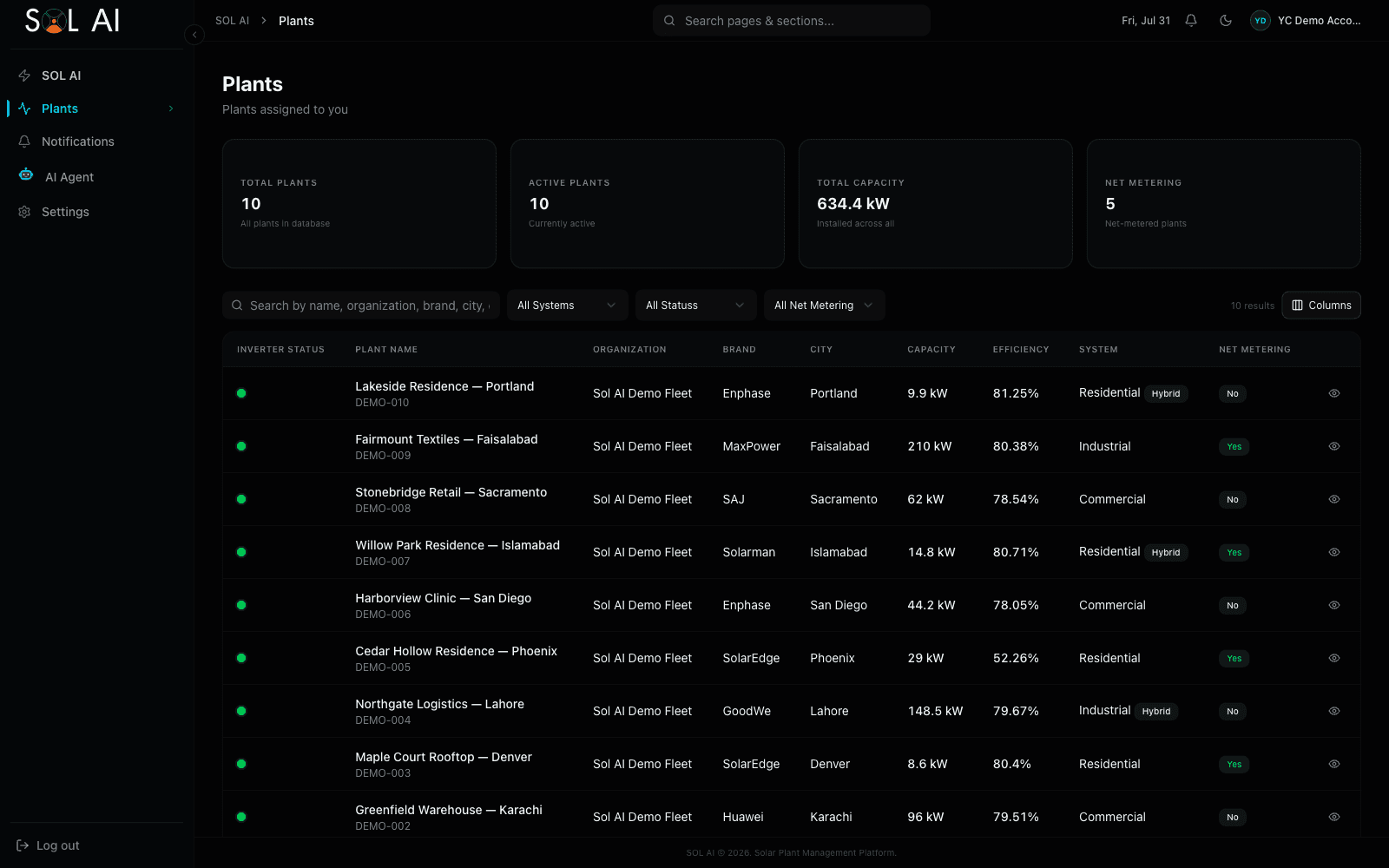
This really happened: a 29-kilowatt home system with one of its 3 strings disconnected. The manufacturer's app stayed green — the total still looked believable. Sol AI knew what the system should be producing, saw the gap, and flagged it on its own. This is what that moment looks like:
Issues — sorted by cost
3 openDisconnected stringCedar Hollow Residence · string 2 of 3
About a third of production missing. Every status light: green.
Soiling suspectedGreenfield Warehouse
Gradual decline across all daylight hours — likely needs a cleaning.
Shading patternWillow Park Rooftop
Same-hours dip every afternoon — something new is casting a shadow.
Each diagnosis carries a confidence score and an estimated monthly cost, and closes with a recorded inspection outcome — confirmed, false positive, or fixed.
In production
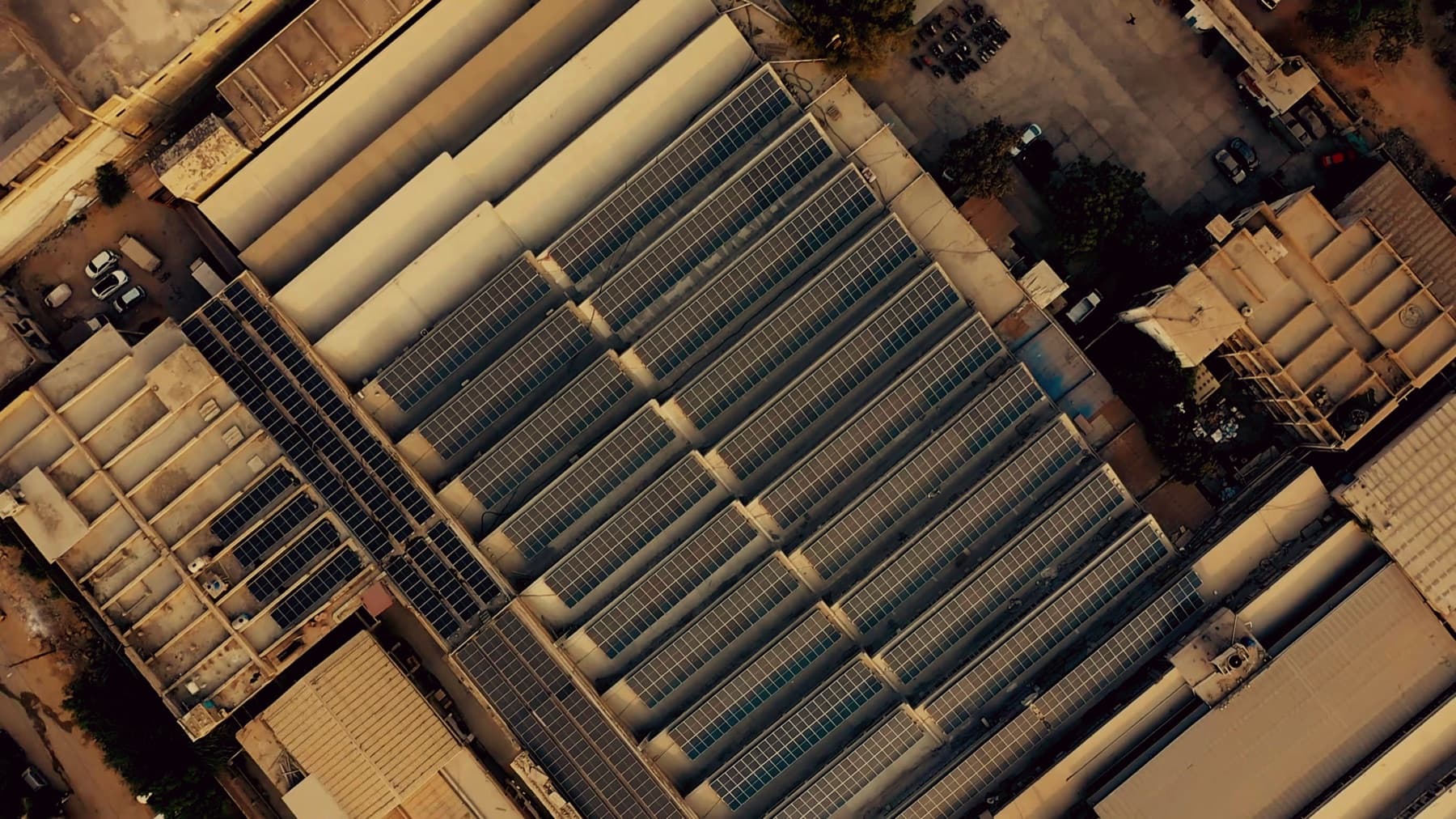
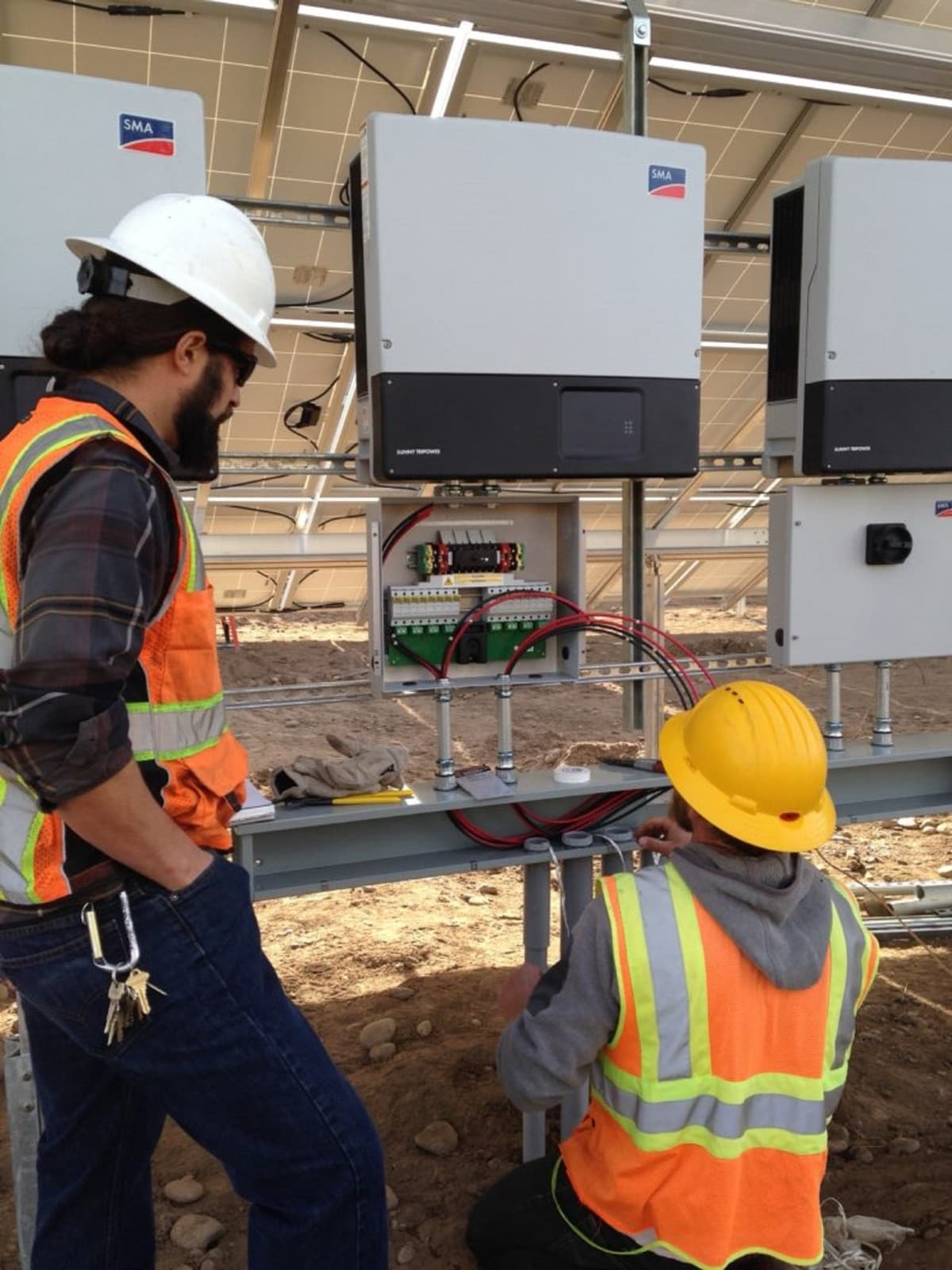
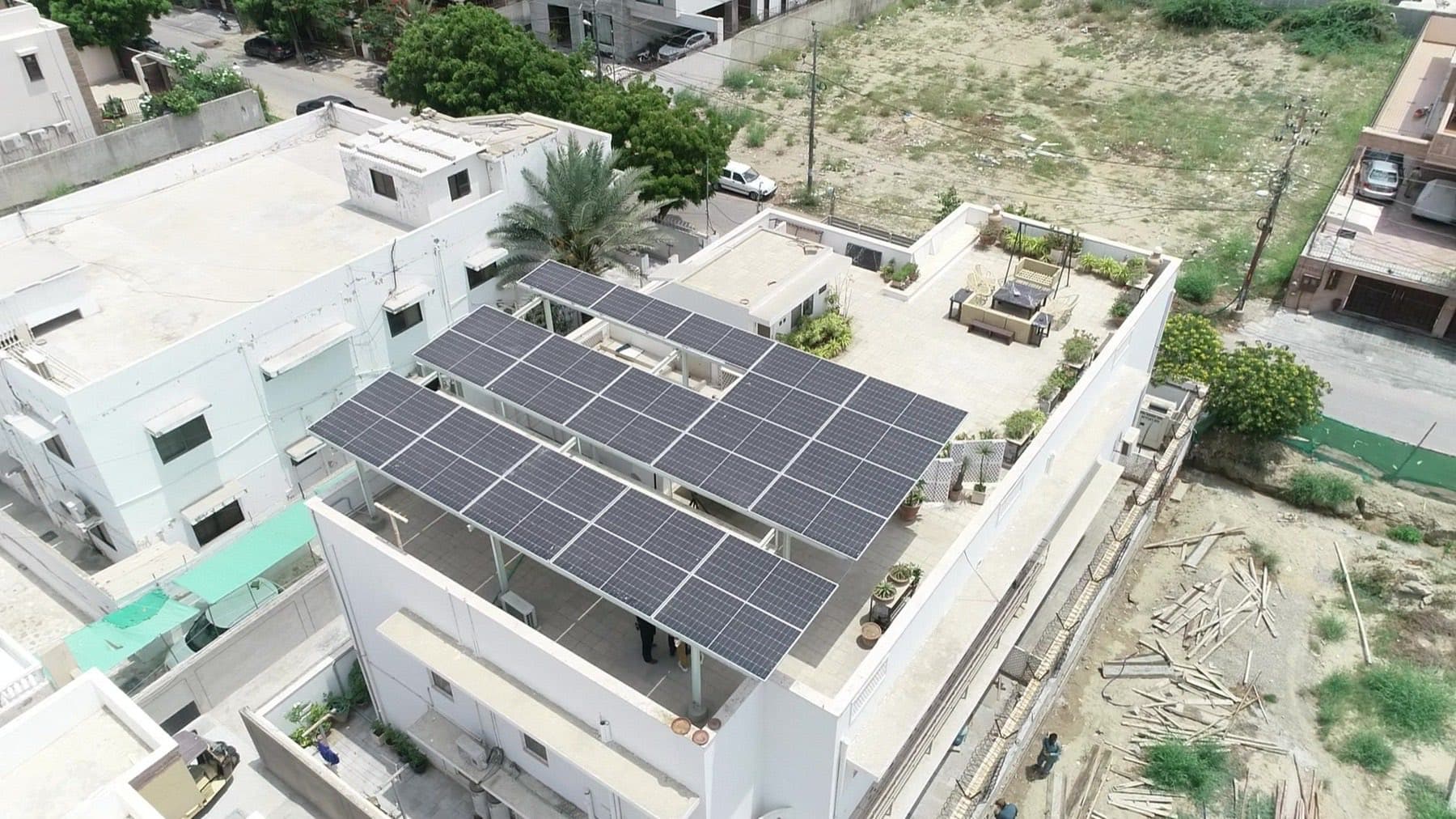
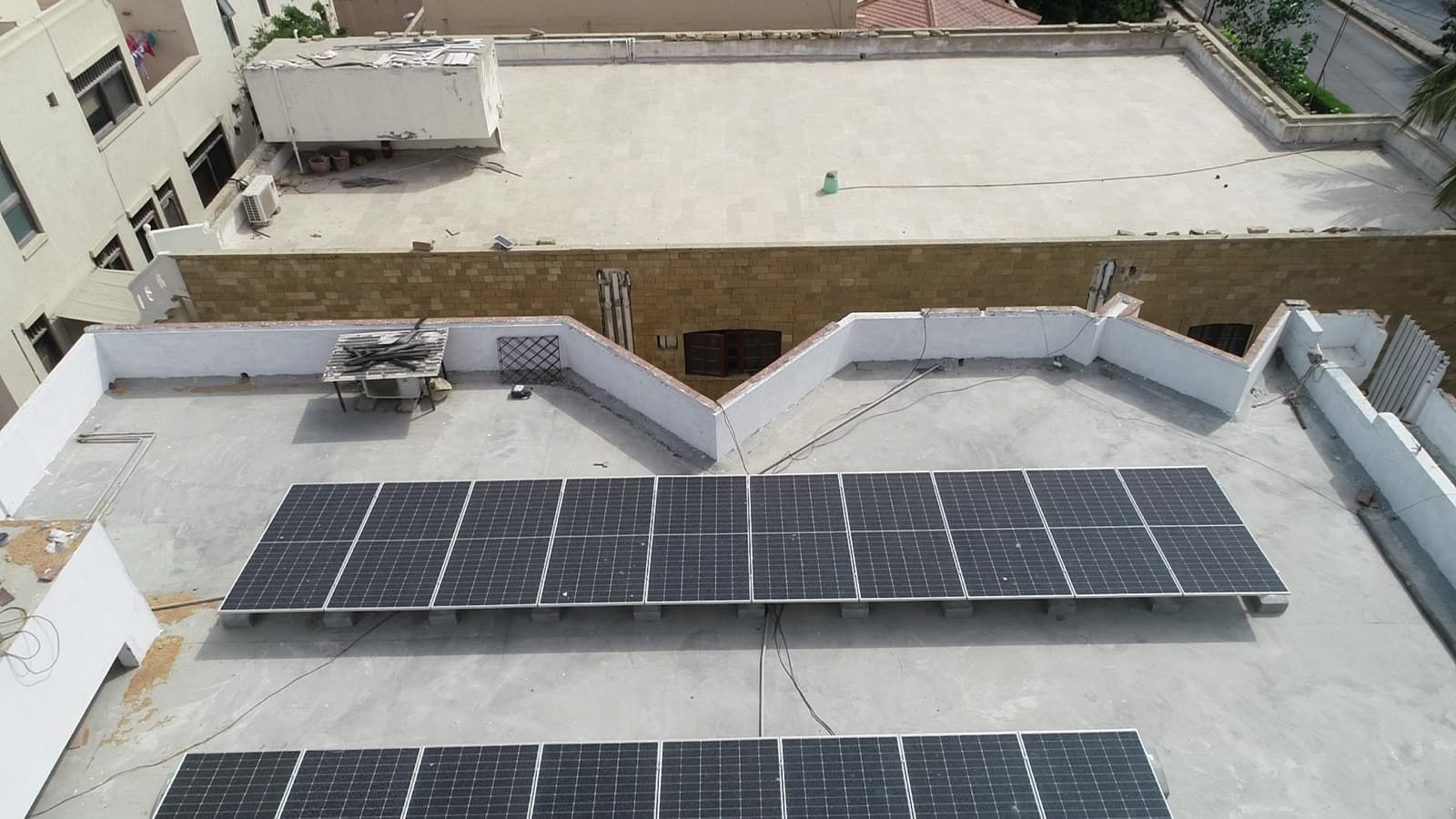
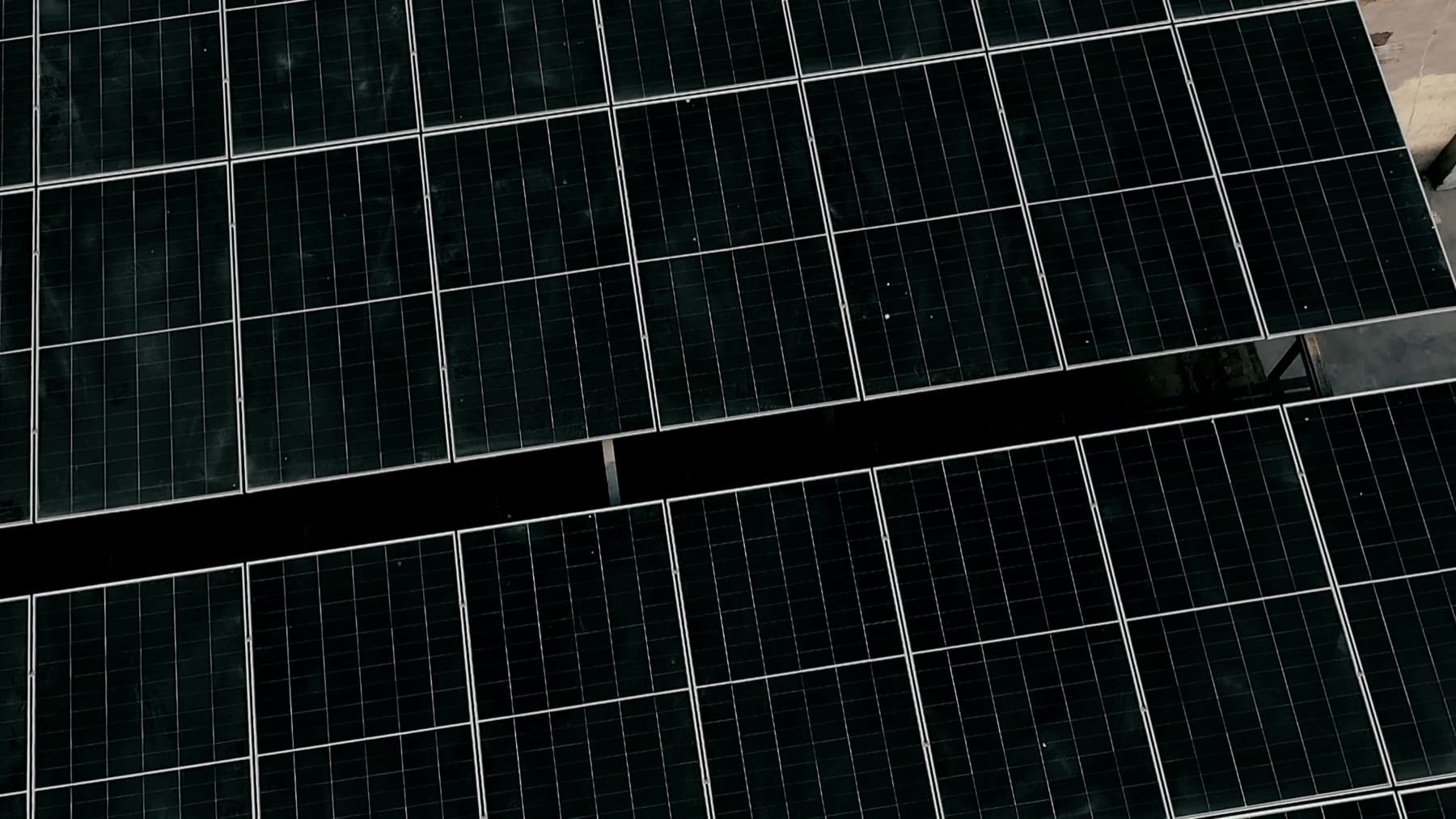
Residential rooftops to commercial arrays, across every supported brand — if it feeds an inverter, Sol AI reads it. These are real systems the platform watches today.
How it works
Every system you've installed already sends its data to a manufacturer's cloud. Sol AI reads all of them at once, works out what every system should be producing, and tells you — and your customer — only what matters.
Reads every system about every 11 minutes · translates every brand into one language
Healthy
501 systems running as they should — we keep checking.
String disconnected
Cedar Hollow Residence · 29 kW
Its own app still says green. A service call you get to bill.
Homeowner report
Plain English, your brand on it.
Sol AI
Reads every system about every 11 minutes · translates every brand into one language
Healthy
501 systems running as they should — we keep checking.
String disconnected
Cedar Hollow Residence · 29 kW
Its own app still says green. A service call you get to bill.
Homeowner report
Plain English, your brand on it.
Every brand speaks a different language. Sol AI translates them into one.
18brands supported · one dashboard
Pricing
$1.50 per system, per month
Sol AI is priced per system because it only works fleet-wide: every system you've ever installed, every supported brand, watched on one screen. No tiers, no per-seat fees, no cherry-picking which roofs get watched.
Implementation from $10,000, scoped per fleet. Running 5,000+ systems? Talk to us about volume pricing →
Your next steps
No hardware, no site visits, no software project on your side. Here is exactly what happens after you say yes.
A 20-minute call or the form below — your fleet size and the brands on your roofs. Not a payment, and it commits you to nothing.
From $10,000, scoped per fleet. Our team runs the whole setup — you hand over credentials, not weekends.
We connect each brand's cloud, import your history, and train your team. Supported brands connect in days; our target for everything you've installed is inside 30.
Every system checked around every 11 minutes against what it should be producing. Faults surface with a name, a priority, and a plain-English explanation.
Fix the faults — you bill the truck roll and repair. And on every call, offer Solar Assurance at $10–25/month. We hand you the sales kit: email and SMS templates that sell it for you.
Assurance subscriptions, repair jobs, and the referrals that watched customers send — all from systems you had already installed.
Work with us
Implementation is from $10,000, scoped per fleet: every inverter brand you've installed in one dashboard, historical baselines imported, your team trained, onboarding led by the founder. Tell us about your fleet and we'll come back within a day.
Why now
The federal tax credit for purchased home systems expired. Survivors have to cut labor cost now.
5M+ US solar homes need watching for 25 years, and that number rises every year even in a down market.
When an installer goes out of business, their customers are left with no one watching. Whoever can read whatever brand is on the roof inherits those customers.
Two products, one platform
Sol AI
One dashboard for every supported brand — including 399 systems installed by other companies. Sol AI knows what each system should be producing and says so when one falls short, with an estimated cost attached and the homeowner told in plain language. Turn your install base into $10–25/month Solar Assurance plans.
How Sol AI works →Rae
Rae answers every lead in seconds. It reads electricity-bill photos, listens to voice notes, sizes the system, negotiates inside limits you set — it cannot give away your margin — and delivers a proposal in a median of 7 minutes. 4,198 real leads handled. Rae is built SMS-first with TCPA compliance — SMS activates as carrier registration clears.
FAQ
Sol AI is a monitoring platform that builds a digital twin — a live model — of every solar system an installer has put in, across every supported inverter brand, in one dashboard. Because the model knows what each system should be producing under today's weather, Sol AI can flag the gap when real output falls short, classify the fault with an estimated dollar cost, and explain it to homeowners in plain language. It currently watches 504 systems totalling 19.8 MW — 399 of them installed by other companies — checked roughly every 11 minutes.
A monthly service an installer sells to homeowners — typically $10–25/month — that says: someone is actually watching your system. Sol AI does the watching, checking each system roughly every 11 minutes against what it should be producing; the report carries the installer's brand, and the homeowner is told in plain language when something needs attention. Most of that monthly line is the installer's service revenue, and the customer relationship stays the installer's.
Monitoring finds the faults, and every fault is a customer call: you tell the homeowner what's wrong, they ask you to fix it, and you bill the truck roll plus the repair at your own rates. Sol AI finds the work and takes no cut of the service revenue. What it adds up to depends on how many systems you've installed, your fault rate and your market's prices — the service calculator on our homepage lets you do the math with your own numbers.
Rae is an AI sales agent for solar companies. It answers inbound leads in a median of 23 seconds around the clock, reads electricity-bill photos, transcribes voice notes, sizes the system, negotiates inside hard-coded guardrails, and delivers a proposal in a median of 7 minutes. It has handled 4,198 real leads in production.
Sol AI reads production data through each inverter manufacturer's own cloud service, using a credential you authorise once per brand. That access is read-only: Sol AI watches output; it cannot send commands to an inverter, change its settings, or switch anything on or off. Revoke a credential in the manufacturer's portal at any time and the data flow stops with it.
Sol AI stores what monitoring needs: production and device readings, system details, and the contact information you choose to add for reports. Data travels over encrypted connections, is never sold or shared with third parties, and is used for one thing — running your monitoring. The platform runs on AWS, currently in the Asia-Pacific (Singapore) region behind Cloudflare's network; US data residency is planned as part of the US launch.
Not yet — we're a young company and would rather say so than imply otherwise. An independent security review is part of our US launch and SOC 2 certification is on the roadmap. What exists today: authorised, revocable, read-only vendor credentials, and an AI safety layer whose intervention log you can read. We put our current security posture in writing at the pilot-agreement stage, and we answer diligence questions directly.
Tell us about your fleet, and we'll show you what it's hiding.